It is no exaggeration to say that Asia is home to more immense, awe-inspiring summits than any other continent on earth. Indeed, the 100 highest mountains in the world are all located within Asia, from Mount Everest and K2 to the dramatic peaks of Mongolia’s Altai range. In this article, we look at five iconic Asian mountain getaway destinations and the exciting adventures tourists can enjoy there.
1. The Knuckles Mountains – Sri Lanka
Named for its resemblance to a closed fist, the Knuckles mountain range is located within a UNESCO World Heritage Site. Its lush, dense forest and cascading waterfalls are home to an abundance of wildlife, including the toque macaque, purple-faced langur, elephant, grey slender loris, and the Sri Lankan leopard.
Hiking through the heart of the Knuckles Mountains presents picture-perfect panoramic views, its 34 mystical mountains varying considerably in height, ranging from 900 to 2,000 meters. The region boasts some excellent hiking trails, presenting the opportunity to stumble upon quaint villages and cascading waterfalls hidden within the mountains, and offering tantalizing glimpses across the lush terraced rice fields. Best attempted by those with prior hiking experience, Knuckles trails are considered some of the toughest in the country, and a guide is mandatory.
This mountain paradise forms part of a protected reserve where the construction of restaurants and hotels is forbidden. This does mean that there are only limited options in terms of food. However, with convenience stores in the villages, and this does present visitors with an opportunity to gain an authentic taste of local life, with charming villages like Meemure untouched by commercialism, enchanting visitors with its beautiful waterfalls, streams, and abundance of mesmerizing views.
2. Ama Dablam – Nepal
Rising 6,812 meters above sea level, Ama Dablam is far from the highest of Himalayan peaks. Nevertheless, in the mountaineering community, scaling Ama Dablam is still regarded as a major accomplishment.
To reach the summit requires technical ice and rock-climbing skills, making Ama Dablam a popular option among Everest veterans and those who have already conquered 8,000 meter plus summits. The adventure is reserved for experienced climbers with a love of tricky and technical mountains incorporating rocky, glacial, and snowy terrain. Taking along an experienced guide is essential.
An intimidatingly vertical pinnacle of ice and rock located in the eastern Himalayas, the Ana Dablam is well known to anyone who has trekked to Everest base camp, dominating the Eastern skyline for several days of the trek. The region is home to a diverse array of rare and interesting creatures, including danfe, Himalayan tahr, and black bear, as well as the snow leopard, the most enigmatic and elusive of all big cats.
3. Mae Hong Son – Thailand
This mountainous region of northern Thailand boasts plenty to impress and enthrall tourists who are prepared to venture off the beaten track. Winding trekking trails lead the way through mist-shrouded forests, past picturesque waterfalls. Local tribespeople await, welcoming visitors and introducing them to cultural traditions far removed from the mainstream experiences found in Phuket or Bangkok.
In the rainy season, which runs from July to November, the monsoon rains cause the Pai River to swell, presenting opportunities for thrill seekers to participate in a challenging Class V whitewater rafting experience. Meanwhile on dry land, tourists can rent a mountain bike, exploring the Chiang Mai-Mae Hong Son loop, which snakes alongside the Pai and Moei Rivers. In addition, there are volunteer opportunities in the local mountain villages, building mud brick schools, presenting tourists with an opportunity to give back to local communities while enjoying their travels.
4. Sapa – Vietnam
One of the greenest hiking destinations on the planet, this mountainous region lies on the border of Vietnam and China. Here, travelers can trek through bamboo forests, rice paddy fields, and small villages on their way to Fansipan, Vietnam’s highest peak.
Sapa has a fascinating history, many of its buildings dating back to the colonial era, when the French created it as a refreshing mountain retreat, providing a respite from the searing heat of summer. Sapa’s moderate year-round climate makes it a pleasant destination for hikers, although the peak of summer is still best avoided for those who plan to tackle Mount Fansipan. Easily accessible from Hanoi via bus or train, Sapa is suitable for novice hikers.
5. Mount Rinjani – Indonesia
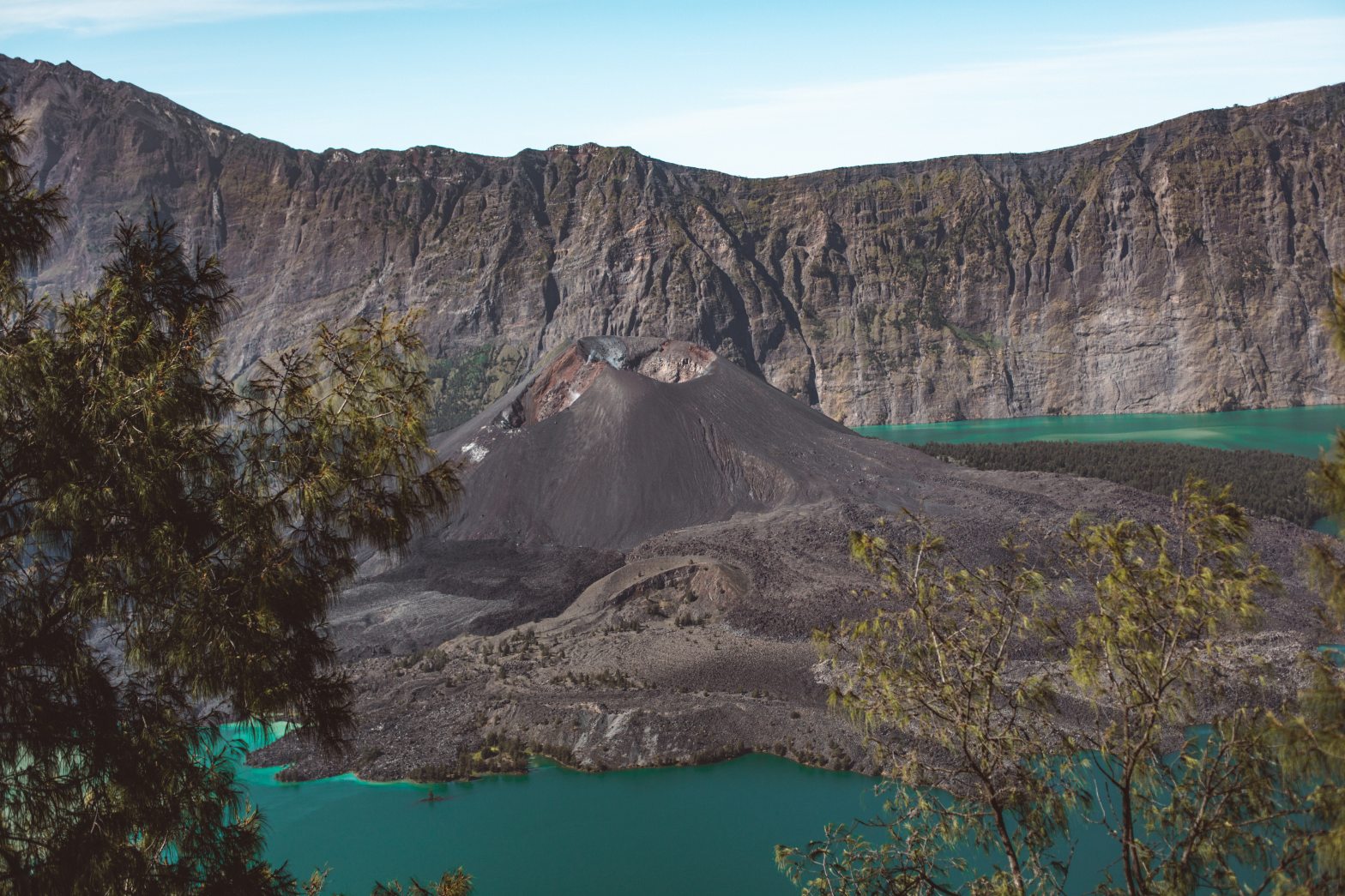
Situated on Lombok in Indonesia, Mount Rinjani is an enormous active volcano, and the second-tallest volcano in the country. Two trails lead to the 3,726-metre-high summit, the eastern and northern route. Both trails are quite taxing, the journey typically spanning four days. Tourists must be accompanied by guides.
Famous for its biodiversity, the region is home to the leopard cat, porcupine, wild pig, and palm civet. En route to the summit, tourists can bathe in the hot springs of Aiq Kalak, which have been venerated for their healing powers for millennia. The route also offers some stunning views across Segara Anak Lake, which is so vast it appears as a sea of blue, the lake holding various mysteries and invisible powers, according to local folklore.
 David Geithner