Travel Focus: 6 Exciting Travel Industry Trend Predictions for 2024

In June 2023, the US Travel Association released its biannual travel forecast, suggesting stabilized growth in the domestic leisure travel sector after months of increased demand. The organization’s President and CEO Geoff Freeman explained that the intensity of last year’s surge was beginning to diminish. The US Travel Association expected the domestic leisure travel industry to remain resilient in the immediate future. 

The International Air Transport Association predicts that there will be more than 4 billion travelers in 2024. Similarly, a report from the Airports Council International World predicts a major increase in passenger numbers across the Asia-Pacific region in the first half of 2024. It anticipates that passenger levels will reach 99.5 percent of 2019 passenger totals. 

From AI and automation to the rising popularity of culinary tours, we share six travel trend predictions for 2024. 

1. Digitization  

Technological advancements have unfolded at a rapid pace in recent years, redefining customer expectations. Tech-driven services are playing an ever-increasing role in daily life by eliminating queues and driving down waiting times. As a result, vacationers are becoming frustrated by a lack of digital innovation in the travel industry. This shortcoming was highlighted in the summer of 2022, when airline disruptions caused major delays, ruined vacations, and culminated in a travel nightmare for many.  

In an increasingly digitized world, consumers have high expectations. The onus is increasingly on the travel and hospitality industry to identify and address pain points for weary travelers. In response, forward-thinking companies have raised the bar in terms of tech infrastructure. One example is the Huazhu Hotels Group in China, which has installed self-check-in kiosks. Now, hotel guests can check-in, checkout, and pay in less than 30 seconds. 

2. Science-Focused Expedition Cruising 

Prior to the pandemic, few could have predicted the huge resurgence in luxury cruise bookings. Bookings for 2022 went up by a staggering 106 percent compared with sales levels in 2019. As new ships and itineraries are launched to meet rising demand, there has been a significant uptick in interest in science-focused travel, as Beth Hill, owner of Mangata Travel, can attest. She suggests that clients are starting to value the unique and immersive.  

Unlike traditional cruises, science-based expedition cruising presents an opportunity for clients to travel to geographically isolated destinations in the company of serious scientists. Take for example the recently launched Le Commandant Charcot icebreaker. The passenger vessel was conceptualized with an entire section for a team of 20 scientists to live and work in during each polar venture. Rather than resembling the research vessels of the past, the latest generation of expedition ships are comfortable and luxurious, complete with spa amenities, boot warmers, gourmet dining, and personal butlers. 

3. Stratospheric Travel 

Until relatively recently, the notion of people without special training coming anywhere close to “the final frontier” has seemed as remote a prospect as those far-flung galaxies themselves. While the billionaire space race has put commercial space travel within reach of the ultrawealthy, for most of us it remains incredibly unlikely. Nevertheless, while billionaire space racers fight over their futuristic tech advances and the size of their rockets, Vincent Farret d’Astiès is Pioneering his own path.  

He spent most of his career working as a pilot flying both hot air balloons and airplanes. The aeronautical engineer launched Zephalto in 2016, merging his passion for aviation with sustainability. Leading innovative research into low-carbon voyages, Zephalto’s mission is to transform the space landscape. He wants to take commercial travelers to new heights that have never been possible before. 

4. Sporting Event-Based Travel 

On July 26th, 2024, travelers from all over the world will descend on Paris, France, for the 2024 Summer Olympics. This iconic event is just one of a very full calendar of sporting contests at iconic venues all over the world, from the Masters and Wimbledon to the Superbowl. Enter sporting event-based travel. 

Combining action-packed sporting competitions with the alluring world of luxury travel, sporting event-based travel presents opportunities for vacationers to explore new destinations while enjoying elite athletes compete against themselves and one another. This budding travel niche invites vacationers to immerse themselves in a world of elegance, comfort, and style, enjoying the VIP treatment from start to finish. 

5. Adventure Travel 

In 2024, experts predict that growing numbers of travelers will seek out experiences that involve surrendering to the element of surprise, venturing into unchartered territory, and exploring the unknown. According to a report by Booking.com, 52 percent of respondents were interested in “surprise vacations,” where everything is unknown to the traveler until arrival, including the destination. In the same report, just over half of participants preferred to venture off the beaten path, with a third seeking to travel with people they don’t know. 

6. Culinary Tours 

Food not only provides nourishment, but also serves as a gateway, presenting an opportunity to experience new cultures, peoples, and heritages. Each dish tells a story, with travelers gaining a deeper connection to a country with every bite. Indulging in a culinary tour enables travelers to savor the flavors of the world, uncovering the secrets behind the recipes, and celebrating the universal language of food.  

The Top 8 Cybersecurity Concerns for Businesses in 2024

By the end of 2024, experts predict that cyberattacks will cost the global economy somewhere in the region of $10.5 trillion. This staggering sum highlights the need for people, businesses, and governments to treat cybersecurity as a strategic priority. 

As in virtually every other industry, artificial intelligence is having a huge impact on cybersecurity, affecting both attack and defense. In recent years, there has been a remarkable surge in technological advancements across various domains, with the realm of cybersecurity being no exception. As we approach 2024, it’s essential to highlight several critical cybersecurity challenges that businesses must prepare for and defend against. 

1. The Cybersecurity Skills Gap 

As in many other industries, the cybersecurity sector is plagued by a significant shortfall in professionals with adequate experience and skills to protect businesses against cyberattacks. Indeed, research suggests that the situation is growing worse. According to a report by Forbes, 54 percent of cybersecurity professionals concur that the impact of skill shortages within their organizations has deteriorated in the past two years. Experts predict that efforts to remedy this situation will include continued salary increases for workers with the requisite skills, as well as greater investment in training, upskilling, and development programs. 

2. End-Users and Remote Workers 

Despite the considerable attention given to external threats, the internal threat posed by end-users is frequently underestimated. However, it’s crucial to recognize that end-users, who have authorized access to data, can indeed pose a significant risk. Their varying levels of permissions, tech-savviness, and motivations can lead to breaches, whether inadvertently or maliciously. The problem has been exacerbated by a significant increase in the number of remote workers, placing the onus on businesses to not only ensure the security of their on-site cybersecurity systems but also those of their employees’ home networks. At the same time, they must provide adequate training and enforce stringent security protocols. 

3. Supply Chain Software Attacks 

Cybercriminals are increasingly infiltrating businesses by targeting their supply chain through trusted suppliers and vendors. This indirect route enables them to inject malicious code into software or infect software updates, causing widespread breaches. Take, for example, SolarWinds, which found itself the victim of a devastating cyberattack when hackers injected malicious code into the company’s widely used Orion software. Consequently, 18,000 SolarWinds customers were affected when an update was rolled out, which included the injected code. The attack had far-reaching consequences, impacting numerous companies and government agencies worldwide. To mitigate this type of risk, companies must implement comprehensive strategies, including maintaining detailed inventories of software components, employing strict access controls, prioritizing secure software development practices, and using application software testing tools. 

4. Automotive Hacking 

Modern vehicles come loaded with an array of automated software, providing seamless connectivity for drivers, and controlling everything from engine timing and cruise control to door locks and airbags. Nonetheless, the reliance of these vehicles on Wi-Fi and Bluetooth technologies for communication opens opportunities for hackers. Experts anticipate that as the utilization of automated vehicles continues to grow, the incidents of hackers gaining control of vehicles or employing microphones for eavesdropping are expected to increase through 2024. Autonomous and self-driving vehicles rely on even more complex mechanisms that demand robust cybersecurity measures. 

5. Sophisticated Phishing Attacks 

Experts predict that social engineering attacks that trick users into granting hackers access to systems will become more sophisticated. As ChatGPT and other generative AI tools advance, this paves the way for the development of even more intelligent and personalized approaches. It is anticipated that with these advancements, deepfake attacks will grow in prevalence. To protect against these attacks, businesses will need to increase awareness and education organization-wide, although AI and the zero trust security model will play increasingly important roles. 

6. Cloud Security Vulnerabilities 

Kapil Bareja, a digital and cyber risk governance leader, indicates that in 2024, businesses must prioritize cloud security, as insufficient access controls, misconfigured permissions, and vulnerabilities in cloud provider infrastructure could potentially lead to the exposure of sensitive data. Bareja warns that insecure APIs could serve as a potential entry point for hackers, making cloud security a top concern for cybersecurity-conscious businesses. 

7. Misconfigurations in Cybersecurity Software Systems 

Even the most advanced cybersecurity systems are likely to have at least one vulnerability in their installation and setup process. A recent study conducted by Rapid7, a cybersecurity software company, uncovered that 80 percent of external penetration tests identified misconfigurations that could potentially be exploited by hackers. These misconfigurations create vulnerabilities that could expose applications and data to the risk of breaches or cyberattacks. To guard against this, companies will need to prioritize regular maintenance, testing, and ongoing support to ensure the robustness of cybersecurity measures. 

8. Mobile Devices Under Threat  

Hackers are increasingly targeting handheld devices, with one study revealing a 50 percent increase in mobile banking attacks and malware. Emails, messages, images, and financial transactions all represent potential risks for consumers. The forecast indicates that smartphone malware and viruses are set to escalate as a growing threat throughout 2024 and beyond. 

5 Asian Mountain Destinations That Will Astound Travelers

It is no exaggeration to say that Asia is home to more immense, awe-inspiring summits than any other continent on earth. Indeed, the 100 highest mountains in the world are all located within Asia, from Mount Everest and K2 to the dramatic peaks of Mongolia’s Altai range. In this article, we look at five iconic Asian mountain getaway destinations and the exciting adventures tourists can enjoy there. 
 
1. The Knuckles Mountains – Sri Lanka 
 
Named for its resemblance to a closed fist, the Knuckles mountain range is located within a UNESCO World Heritage Site. Its lush, dense forest and cascading waterfalls are home to an abundance of wildlife, including the toque macaque, purple-faced langur, elephant, grey slender loris, and the Sri Lankan leopard. 

 
Hiking through the heart of the Knuckles Mountains presents picture-perfect panoramic views, its 34 mystical mountains varying considerably in height, ranging from 900 to 2,000 meters. The region boasts some excellent hiking trails, presenting the opportunity to stumble upon quaint villages and cascading waterfalls hidden within the mountains, and offering tantalizing glimpses across the lush terraced rice fields. Best attempted by those with prior hiking experience, Knuckles trails are considered some of the toughest in the country, and a guide is mandatory. 

 
This mountain paradise forms part of a protected reserve where the construction of restaurants and hotels is forbidden. This does mean that there are only limited options in terms of food. However, with convenience stores in the villages, and this does present visitors with an opportunity to gain an authentic taste of local life, with charming villages like Meemure untouched by commercialism, enchanting visitors with its beautiful waterfalls, streams, and abundance of mesmerizing views. 

 
2. Ama Dablam – Nepal  

 
Rising 6,812 meters above sea level, Ama Dablam is far from the highest of Himalayan peaks. Nevertheless, in the mountaineering community, scaling Ama Dablam is still regarded as a major accomplishment. 

 
To reach the summit requires technical ice and rock-climbing skills, making Ama Dablam a popular option among Everest veterans and those who have already conquered 8,000 meter plus summits. The adventure is reserved for experienced climbers with a love of tricky and technical mountains incorporating rocky, glacial, and snowy terrain. Taking along an experienced guide is essential. 

 
An intimidatingly vertical pinnacle of ice and rock located in the eastern Himalayas, the Ana Dablam is well known to anyone who has trekked to Everest base camp, dominating the Eastern skyline for several days of the trek. The region is home to a diverse array of rare and interesting creatures, including danfe, Himalayan tahr, and black bear, as well as the snow leopard, the most enigmatic and elusive of all big cats. 

 
3. Mae Hong Son – Thailand 

 
This mountainous region of northern Thailand boasts plenty to impress and enthrall tourists who are prepared to venture off the beaten track. Winding trekking trails lead the way through mist-shrouded forests, past picturesque waterfalls. Local tribespeople await, welcoming visitors and introducing them to cultural traditions far removed from the mainstream experiences found in Phuket or Bangkok. 

 
In the rainy season, which runs from July to November, the monsoon rains cause the Pai River to swell, presenting opportunities for thrill seekers to participate in a challenging Class V whitewater rafting experience. Meanwhile on dry land, tourists can rent a mountain bike, exploring the Chiang Mai-Mae Hong Son loop, which snakes alongside the Pai and Moei Rivers. In addition, there are volunteer opportunities in the local mountain villages, building mud brick schools, presenting tourists with an opportunity to give back to local communities while enjoying their travels. 

 
4. Sapa – Vietnam 

 
One of the greenest hiking destinations on the planet, this mountainous region lies on the border of Vietnam and China. Here, travelers can trek through bamboo forests, rice paddy fields, and small villages on their way to Fansipan, Vietnam’s highest peak. 

Sapa has a fascinating history, many of its buildings dating back to the colonial era, when the French created it as a refreshing mountain retreat, providing a respite from the searing heat of summer. Sapa’s moderate year-round climate makes it a pleasant destination for hikers, although the peak of summer is still best avoided for those who plan to tackle Mount Fansipan. Easily accessible from Hanoi via bus or train, Sapa is suitable for novice hikers. 

 
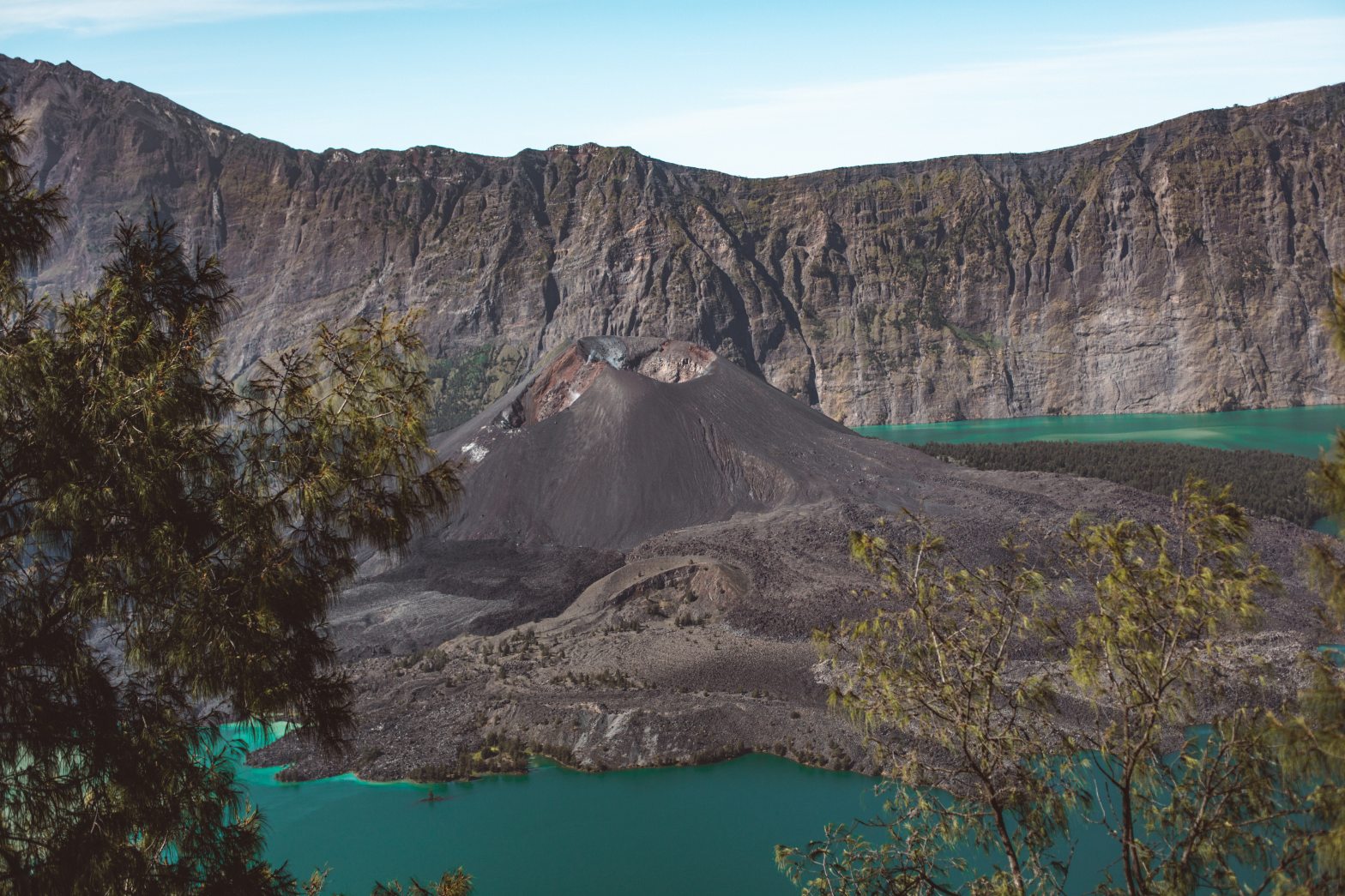
5. Mount Rinjani – Indonesia 

 
Situated on Lombok in Indonesia, Mount Rinjani is an enormous active volcano, and the second-tallest volcano in the country. Two trails lead to the 3,726-metre-high summit, the eastern and northern route. Both trails are quite taxing, the journey typically spanning four days. Tourists must be accompanied by guides. 

 
Famous for its biodiversity, the region is home to the leopard cat, porcupine, wild pig, and palm civet. En route to the summit, tourists can bathe in the hot springs of Aiq Kalak, which have been venerated for their healing powers for millennia. The route also offers some stunning views across Segara Anak Lake, which is so vast it appears as a sea of blue, the lake holding various mysteries and invisible powers, according to local folklore. 

Travel Focus: Amazing Yet Underrated West Asian Tourist Destinations

Asia is the largest of the earth’s seven continents in both size and population. Among Americans, “Asia” probably first brings to mind countries like China, Japan, Thailand, and other East Asian nations; however, the Middle East and the Arabian Peninsula are part of Asia, too.  

Encompassing a myriad of different peoples, cultures, and traditions, West Asia offers a variety of landscapes and destinations for travelers, from desert oases and beaches to the cosmopolitan cities of Istanbul, Abu Dhabi, Riyadh, and Doha. Bound by the Persian Gulf and the Aegean, Caspian, Arabian, Mediterranean, Red, and Black Seas, the region presents a tantalizing mix of ancient and modern world charm, with attractions to keep visitors of all tastes entertained. 

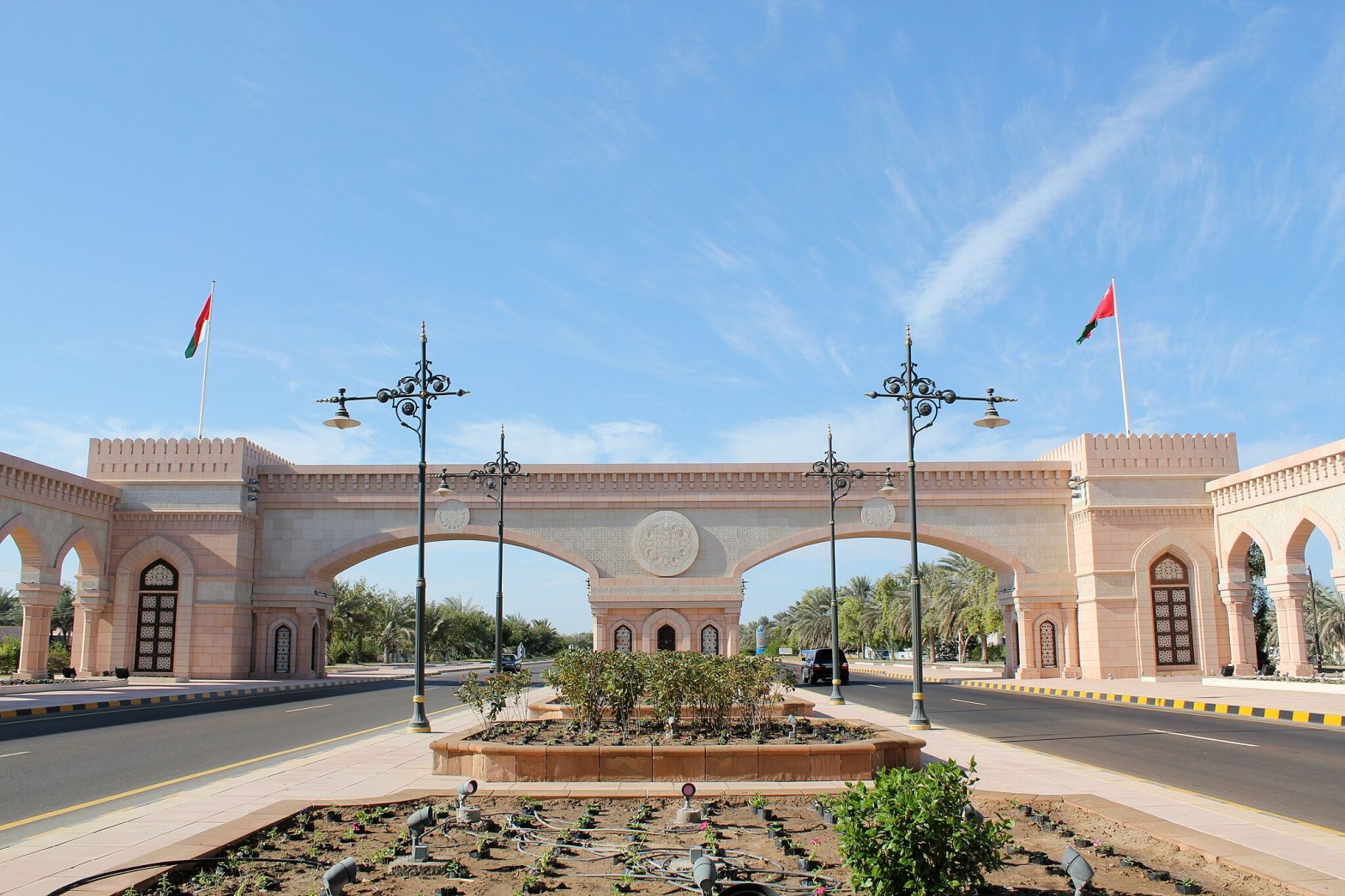
1. Sohar – Oman 

Home of the mythical character Sinbad the Sailor, Sohar is a blend of contemporary and ancient culture, boasting skyscrapers and huge malls as well as traditional souqs, monuments, and beaches along the mouth of the Persian Gulf.  

A stroll along the Corniche brings visitors to several impressive destinations, including the Sultan Qaboos Mosque, and Sohar Fort. Recently restored, Sohar Fort features several traditionally furnished rooms, providing visitors with an authentic taste of military life in the 19th century CE. There is also a small museum located in the fort’s tower, providing insights into local history. 

Believed to have been built around the end of the 13th century CE, Sohar Fort is situated on a hilltop, incorporating five towers and two parks: Sohar Park and the Silver Jubilee Park. One of Sohar’s most popular attractions, the fort boasts a 10-kilometer-long underground tunnel, created as an escape route should the city fall to invaders.  

2. Zvartnots Cathedral Ruins and Etchmiadzin Cathedral – Armenia 

Located near the city of Vagharshapat (also known as Etchmiadzin) in Armenia, Zvartnots Cathedral or the “Cathedral of Angels” was built between 650 and 659 CE by Catolicos Nerses III. The church was built on the spot where King Trdat met St. Gregory the Illuminator and is dedicated to the angels St. Gregory saw in a vision. 

By the tenth century, the cathedral had collapsed due to an earthquake or attacks by invaders. It was not rediscovered until 1901, when archaeologists set about excavating the site, unearthing the foundations, portions of walls and vaulting, bases, sections of columns and piers, and fragments of reliefs. Surrounding the site are ruins of an ancient palace, including stone tanks and a wine press belonging to a medieval winery. 

With the stunning Ararat Mountain as a backdrop, the ruins feature fascinating sculptural remnants, including a particularly impressive carved eagle. The on-site museum displays artifacts unearthed during the excavation and offers information on medieval Armenian architecture. 

Nearby in Vagharshapat is Etchmiadzin Cathedral, the center of Armenian Christianity and usually considered one of the oldest cathedrals in the world. Groundbreaking for the original building took place in 301 CE, although the present structure is the result of numerous reconstructions and renovations over the centuries. Both Etchmiadzin Cathedral and the ruins of Zvartnots are part of a UNESCO World Heritage Site designated in 2000.  

3. Al Ain – United Arab Emirates 

Al Ain was once an important oasis on the caravan route between Oman and the United Arab Emirates. Its English translation is simply “the spring.” This small town is miles from the Emirates’ other major cities and is best known for its greenery and historic significance. 

Famous as the birthplace of Sheikh Zayed bin Sultan Al Nahyan, the United Arab Emirates’ founder, Al Ain is the second largest city in the Emirate of Abu Dhabi. The oasis continues to serve as a vital water supply and feeds the city’s traditional qanāt irrigation system, which transports water via underground tunnels. 

Situated a one and a half-hour drive away from the city of Abu Dhabi, this UNESCO World Heritage Site is one of the oldest permanently inhabited settlements in the world and one of the Emirate’s major tourist attractions. The city is home to various museums, as well as the iconic oasis lined with date palm trees. The Al Ain Palace Museum provides visitors with glimpses into the lives of local people, including information on Sheikh Zayad Bin Sultan Al Nahyan and his family, and is situated inside the palace they resided in until the 1960s. 

4. Kuwait City – Kuwait 

Today a modern city dotted with futuristic skyscrapers, Kuwait’s history stretches back a surprisingly long way. Presenting the perfect balance of modernity and traditional culture, this unique, safe city has a lot to offer visitors. 

One of the highlights of any trip to Kuwait is a visit to the vast Arabian Desert, which covers most of the tiny nation of Kuwait. Vacationers can explore this stunning sea of dunes by SUV safari, camel, or quad bike. 

Because it sits along the Persian Gulf, Kuwait City also boasts some of the Middle East’s finest beaches, with plenty of watersports and marinas. For tourists, Khalifa & Lidia Qattan Art Museum, known locally as “the House of Mirrors,” is a unique attraction with opulently themed rooms entirely covered in mirror mosaics by Italian-born artist Lidia Al Qattan.  

A Tourist’s Guide to South Korea: When to Visit and What Attractions to See

With a blend of Chinese influences in its Buddhist-era temples, a coastline adorned with intriguing volcanic geology, and a capital city boasting innovative modern architecture that can rival any Japanese city, South Korea is a culturally and historically diverse nation known for its warmth and friendliness. 

Read on for a selection of the most interesting places to see and foods to try in South Korea. 

Most Popular Dishes 

In South Korea, food is an experience unlike anywhere else in the world. Here, eating out is an all-night event. The result of thousands of years of taste and flavor refinement, South Korean cuisine is infused with intricate spice blends, culminating in delicacies like kimchi. 

Dating back to the Shilla Dynasty over 2,000 years ago, kimchi is a combination of cabbage, pumpkin, radish, onion, and scallion infused with crushed garlic, chili powder, and salted seafood. The dish is then left to ferment for up to two weeks. 

Bibimbap is another must-try Korean dish that is widely available in restaurants, street markets, and food courts. Although the dish varies from one region to the next, it generally consists of warm rice topped with chicken or beef, mixed vegetables, and a raw egg, all doused in chili pepper and soy sauce. 

Other popular Korean dishes include red rice cakes; a marinated beef sirloin dish called bulgogi; and a Korean-Chinese fusion dish called jajangmyeon, which is made with thick wheat noodles, diced pork, and vegetables coated in a salty black soybean sauce. 

Korean Architecture 

Seoul, the vibrant capital of South Korea, offers a captivating blend of contemporary architecture, pop culture, lush parks, and dazzling promenades. One of the most vibrant cities in all of Asia, Seoul is more than a modern urban hub—it’s rich history and culture. Alongside its stylish boutiques and chic restaurants sit several impressive palaces, including Changdeokgung Palace, with its stunning Secret Garden. Built in the 15th century, the palace served as the favored royal residence during the Joseon Dynasty. It features a complex of buildings nestled within a vast 78-acre expanse of gardens.  

Seoul is also home to Bukchon Hanok Village, renowned worldwide for its pagodas and timeless charm. Meanwhile, North Seoul Tower offers breathtaking panoramic vistas, and the Lotte World Adventure amusement park is a beloved destination for families. 

Korea’s Climate  

Few cities have climates that range as wildly as Seoul, where temperatures frequently top 40 degrees Celsius (104 degrees Fahrenheit) in summer, and as low as -20 degrees Celsius (-4 degrees Fahrenheit) in the depths of winter. While the southern regions of South Korea are generally milder than Seoul, they can still experience chilly winters and scorching summers. The best times to visit South Korea are during the spring, from April to June, or in the fall, from September to November. 

Places of Interest 

Nestled within pine forests, adorned with serene temples, and crisscrossed by a network of hiking trails, Bukhansan National Park looms majestically behind Seoul, resembling a jagged rocky crown. Despite its global popularity as one of the most frequently visited national parks, visitors can easily escape the crowds and savor moments of peace, solitude, and breathtaking mountain vistas. 

Busan, Korea’s second-largest city, sits on the coast fronted by beautiful beaches and resorts. Like Seoul, it boasts an ample amount of culture and history. It is home to Gamcheon Cultural Village, a European-style village situated on cliffs overlooking the sea, popularized as Korea’s take on Santorini. Busan is also home to Korea’s largest seafood market, part of which is open to members of the public. For seafood lovers, a visit to Jagalchi Market is a must. Here, numerous restaurants are ready to prepare and serve your seafood purchases for you, ensuring the freshest possible seafood dining experience. 

Located 85 kilometers off the coast of South Korea, Jeju is a stunning island regarded by many as one of the most beautiful places in the whole of South Korea. Ranking as one of the New Seven Wonders of Nature, Jeju Island’s pristine beauty is sure to astound any visitor, with its surreal white sandy beaches surrounded by lava caves, volcanic craters, and pine forests. 

Known as the Yosemite of Korea, Seoraksan National Park’s stunning mountains boast miles of hiking trails to explore, as well as lakes, streams, and vast waterfalls. Korea’s first national park, Seoraksan is home to more than 1,500 animal species and more than 1,000 species of plants, as well as two Buddhist temples, one of which is known as the “Temple of a Hundred Pools.”  

Finally, the Korean Demilitarized Zone (DMZ) is a top attraction in South Korea, offering tourists a chance to explore the nation’s modern history and understand the North-South Korea conflict. The DMZ features intriguing sights like the Infiltration Tunnel and Observation Post for an adventurous experience. The best way to experience DMZ is by taking a guided tour, which also includes a visit to the Joint Security Area. 

4 of the World’s Most Popular Adventure Travel Destinations 

The adventure travel niche is experiencing remarkable growth, contributing to a global revenue of approximately $282 billion in 2021, with the United States accounting for over $40 billion in the same year. Projected with a compound annual growth rate of 15 percent, the adventure travel market is anticipated to surpass $1 trillion by 2030. 

Within the adventure tourism sector, “soft adventure” travel, encompassing activities like camping, hiking, and backpacking, commands most of the revenue at 60 percent. Meanwhile, “hard adventure” pursuits such as caving or rock climbing contribute approximately 20 percent of the overall revenue. 

In 2021, 54 percent of Americans engaged in some sort of adventure vacation, enjoying approximately 12 billion trips collectively. Venturing off the beaten track, traveling as locals, and living new experiences were all cited as primary motivations driving this trend. 

From Cape Town, South Africa, to Mount Everest Base Camp in the Himalayas, discover an array of exciting experiences and activities that await travelers in these remarkable locations. 

1. Australia 

Thrill-seekers will find a plethora of exciting options in Australia, from exploring the Great Barrier Reef and Uluru to venturing through Cape Tribulation and the rugged Outback. A popular destination among backpackers and gap year students, Australia is replete with vast landscapes, vibrant cities, and unique wildlife, presenting unparalleled experiences for explorers, adventurers, and nature enthusiasts alike. 

Australia is home to an array of indigenous species that can be encountered nowhere else on Earth. Visitors can spot sea lions, penguins, and other bird species on Kangaroo Island or witness the migration of whales along the country’s stunning coastline. Meanwhile, the Daintree Rainforests are home to a diverse array of elusive tree-dwelling mammals and the striking prehistoric-looking cassowary, a flightless bird. 

Embarking on a tour led by Indigenous guides offers visitors a distinctive chance to deeply engage with Aboriginal culture. They can witness traditional dances, hear captivating stories from local folklore, and gain insightful perspectives into the rich history and culture of the Aboriginal people. 

Boasting over 25,760 kilometers (16,010 miles) of coastline, Australia is ideal for beach lovers, particularly the powdery white sands of the Whitsunday Islands, where vacationers can relax on the pristine beach and snorkel in crystal-clear waters. Home to several famous surf breaks, the Gold Coast lures surfers from across the globe. For those in search of a unique adventure, Shoalwater Islands Marine Park in Western Australia provides the ideal opportunity for an encounter with wild dolphins. 

2. South Africa 

Offering a myriad of exciting adventures by land, sea, and air, Cape Town features prominently on the bucket list of many travelers. Amid the expansive sand dunes adorning Cape Town’s coastline, sandboarding is a cherished local pastime, one that is remarkably easy for newcomers to pick up. 

For many thrill-seekers, Cape Town’s biggest lure lies below the waterline, where they can come face-to-face with one of the most feared predators on the planet: the great white shark. Within the safety of a metal cage, tourists can observe the incredible white shark in its natural habitat. 

For adventurers seeking experiences beyond the waves, a captivating array of wildlife awaits on land. South Africa boasts some of the world’s most thrilling game drives, inviting visitors to embark on expeditions through renowned wildlife reserves like Kruger National Park. Here, travelers can witness the legendary Big Five—elephants, leopards, lions, buffalos, and rhinos—all roaming freely in their natural habitat. 

South Africa is hard to beat in terms of outdoor adventure. From the iconic Table Mountain to the breathtaking landscapes of Blyde River Canyon, South Africa offers a range of heart-pounding activities, including bungee jumping, abseiling, and gyrocopter flights along the stunning coastline. 

 3. Greenland 

The largest island on earth, Greenland is almost entirely covered in ice, making it an unbeatable location for winter sports. Here, visitors can enjoy some cross-country skiing or take a helicopter ride to the summit of the ice caps and ski back down.  

Kayaking is a popular activity in Greenland, and it is even possible to scuba dive here and discover the mysteries of Greenland’s arctic waters. Alternatively, tourists can hire a snowmobile or take charge of a dogsled, heading out into the snowy wilderness. 

Encompassing around 80 percent of Greenland, a coast-to-coast ice sheet beckons as the epitome of polar adventure. During the brief summer, the island basks under the continuous glow of the Midnight Sun, creating an extraordinary setting for wildlife sightings, including walruses, musk oxen, sea eagles, reindeer, humpback whales, and even polar bears. In the winter months, the country’s remote northerly location attracts visitors from all over the world in search of the dazzling aurora borealis, or northern lights. 

4. Nepal 

It is a common misconception that the only thing to do in Nepal is trekking the Himalayas. While the Annapurna Circuit and Mount Everest Base Camp are undeniably Nepal’s biggest tourist lures, in reality, there are many more adventures to be had in the country. Arriving in Nepal is an adventure in itself, with the flight to Lukla regarded by many as one of the hairiest in the world. Meanwhile, Chitwan National Park stands out for nature enthusiasts as a prime tiger habitat and a great spot to see rhinos. Nearby, white water rafting and kayaking are popular activities, offering a once-in-a-lifetime chance to navigate the water against the backdrop of the Himalayas.  

Rethinking Tourism in a Climate Emergency

Launched at the COP26 UN Climate Change Conference in September 2021, the Glasgow Declaration is a plan designed to help the tourism industry honor the global commitment to halve carbon emissions by 2030 and meet the overarching objective of achieving net zero by 2050. 

The global tourism industry is incredibly vulnerable to climate change. However, tourism is also a significant contributor to the carbon and greenhouse gas emissions that cause global warming. The sector is responsible for 8 percent of these emissions. Conservation experts agree that tourism needs to become more sustainable, not only to protect the planet, but to safeguard the future of the industry.  

In 2020, the world saw a 7 percent reduction in global greenhouse gas emissions. On the face of it, this appears to be an encouraging statistic. Nevertheless, this achievement was not intentional, but rather an impact of COVID-19 as businesses shuttered, people worked from home, and travel declined. Indeed, conservationists warn that this revelation actually highlights a staggering lack of progress in climate action to date.  

To put it in context, experts suggest that achieving the goals delineated in the Paris Agreement would demand a continuation of this 7 percent annual reduction every year for the next ten years—all in a post-COVID world without lockdowns and stay-at-home orders, and with a fierce resurgence in international travel. 

Beautiful and vulnerable 

One of the most painful ironies of climate change lies in the fact that many of the world’s most beautiful and iconic places also happen to be the most vulnerable. Communities that are heavily reliant on tourism for their economies are struggling as climate change threatens their existence. Hotter temperatures, shifting climate patterns, more frequent extreme weather, and rising seas are placing the future of some of the world’s most beautiful locations in jeopardy. 

Take for example Denali National Park, which is home to the highest mountain peak in North America. Covering almost 6 million acres of wilderness in central Alaska, the park has just one access point: a winding country road that spans more than 90 miles. 

In recent years, rising temperatures have caused the permafrost beneath the road to deteriorate, placing this vital lifeline in jeopardy. In August 2021, the road had to be closed by the National Park Service, forcing the evacuation of trapped visitors. 

Speaking with The Guardian, one employee of a lodge in Denali explained that the closure had cost his business and locals reliant on it somewhere in the region of $250,000 in lost revenue, with seasonal staff missing out on wages. Local farms and fisheries also missed out on trade. Even the local education system was impacted, because it is partially funded by overnight occupancy taxes. 

Climate change also poses a severe threat to the many islands around the world that are vacation hotspots. For example, visitors flock to the Maldives, a tropical archipelago in the Indian Ocean, to enjoy its white sand beaches, crystal clear lagoons, and natural beauty. More than 1 million tourists arrived in 2021, and tourism is a major force in the national economy.  

Yet as a low-lying chain of islands, the Maldives are extremely vulnerable to even a small rise in sea levels—it’s possible that most of the archipelago could be completely submerged by the end of this century. Their coral reefs are also vulnerable to bleaching as the ocean becomes warmer. In 2016, 60 percent of the island nation’s coral reefs were affected by a bleaching event.  

Solutions for more sustainable tourism 

The idea of sustainable tourism might seem like an oxymoron—after all, flying from one place to another produces carbon emissions, visiting natural areas puts stress on the local environment, and vacationers typically produce waste they wouldn’t otherwise if they simply stayed home. Even so, it is possible to make tourism and travel much more sustainable than it is right now.  

For example, according to the Environmental Performance Index, the European nations of France, Switzerland, and Denmark rank as the world’s most sustainable countries despite undergoing rapid economic growth and tourism growth. Meanwhile, Albania made an impressive climb from 61st place in 2016 to 40th place in 2018 after prioritizing the protection of various wild areas, including Karaburun-Sazan Marine Park, the country’s first and only marine park, in an initiative backed by the United Nations Development Programme.  

For those travelers who want to take matters into their own hands, there are various avenues to explore, including the following:  

  • Minimize air travel  

Planes are a particularly carbon-intense form of transportation in most cases: one single transcontinental flight generates about 14 percent of the yearly greenhouse gas emissions of a passenger vehicle. If you must fly, choose nonstop flights, which get you to your destination via the shortest route.  

  • Use greener transportation at your destination  

Take public transit, walk, or cycle once at your destination. If you’re visiting a foreign country, consider intercity trains to travel to multiple cities, rather than booking several domestic flights.  

  • Don’t contribute to overtourism 

Go off the beaten path a bit—try to avoid the most popular destinations during their high seasons, or at least during peak times of the day. Some sensitive natural locations and cultural treasures are in danger of being “loved to death.” Plan ahead, do your research, and adopt a flexible attitude when you’re at your destination. 

  • Book wisely 

When choosing your accommodations, pick a hotel close to the main activities you’ll be doing—both for your own convenience and so you can minimize the distance you must travel each day, especially if you’ll be driving. Also look for sustainability certifications from reputable third-party organizations, like Leadership in Energy and Environmental Design (LEED) or the Global Sustainable Tourism Council. 

According to the research from the UN World Tourism Organization, carbon emissions from tourism are on target to increase by 25 percent by 2030 compared with 2016 levels—if we continue on the business-as-usual track. It’s clear that there needs to be a significant scale-up in climate action in the travel and tourism industry. The cost of inaction on climate change is far larger than the cost of any other crisis in modern history. 

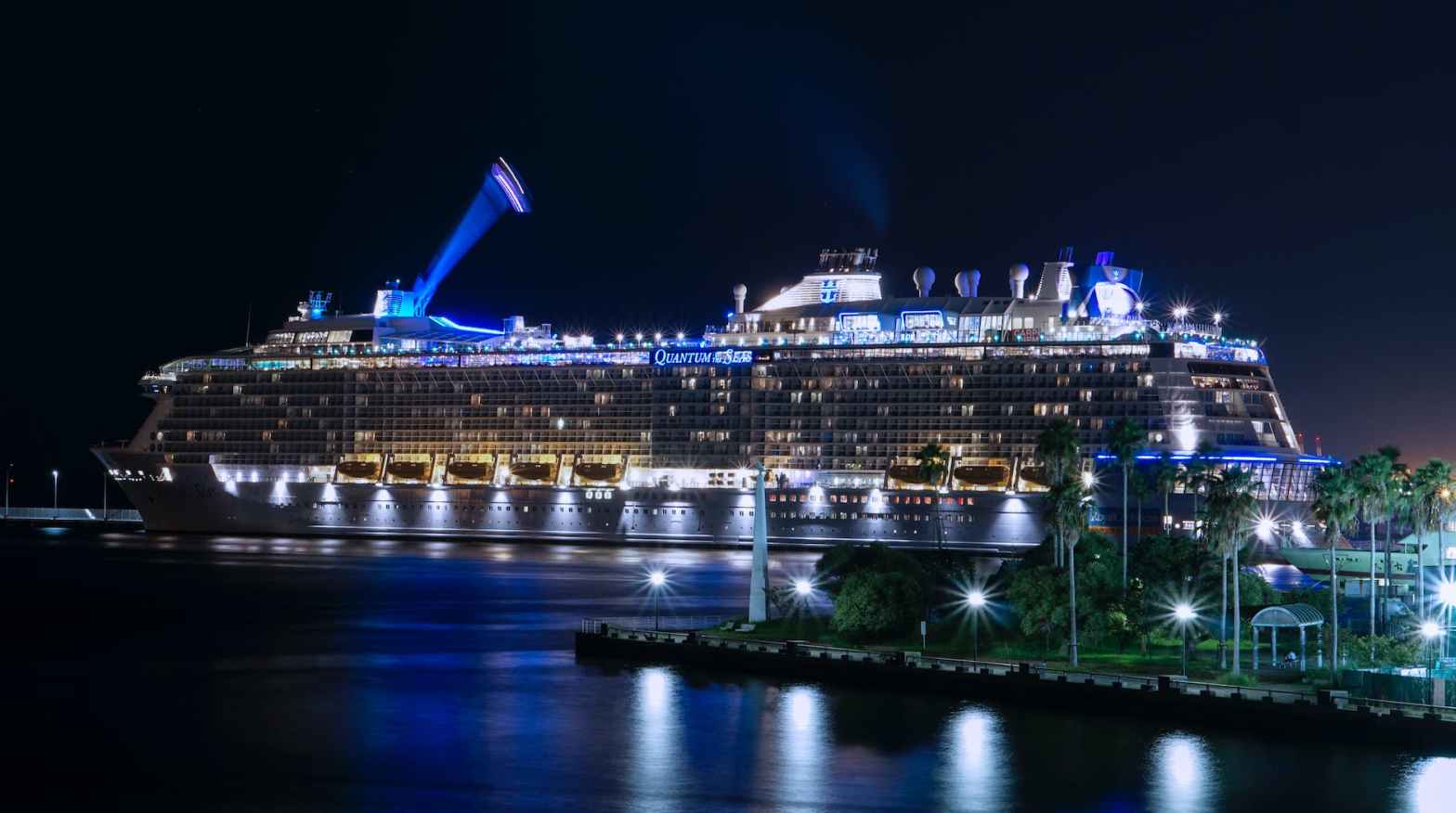
6 of the World’s Most Exciting and Unusual Cruise Itineraries

Today, cruise vacations encompass much more than the well-trodden Mediterranean or Caribbean haunts, venturing as far afield as the North and South Poles and even the Amazon Rainforest. 

One of the great things about traveling by boat is its potential to open up a wide variety of remote and inaccessible destinations, even areas with little to no tourist infrastructure. 

From Addo National Park, the third-largest national park in South Africa, to the Norwegian Arctic Circle, we look at some of the most intriguing and unusual places that visitors can reach via an expedition cruise. 

1. Addo National Park – South Africa 

While many South African game parks are home to the ‘big five’—rhinos, lions, elephants, leopards, and buffalo—at Addo Elephant Park, encounters are virtually guaranteed. In addition, the reserve is considered malaria free. 

Addo National Park is the most diverse game park in the world and South Africa’s third-largest national park. It encompasses 126,000 acres of bush and has five biomes, as well as an offshore marine reserve where great white sharks and southern right whales can be spotted. Located in a region famed for its stunning natural beauty, Addo National Park is a vast, biodiverse conservation area that is dotted with citrus trees and abundant in flora and fauna.  

2. Yaeyama Islands – Japan  

We tend to associate Japan with Mount Fuji, cherry blossom trees, and neon-lit megacities, but there is much more to the Land of the Rising Sun. The southern reaches of the Japanese archipelago are an altogether different experience. There you will find a string of subtropical islands boasting powder-white sand and crystal-clear waters ideal for snorkeling and scuba diving. 

Ishigaki is Yaeyama Islands’ main island. It has pristine beaches and ample snorkeling and diving opportunities, enabling visitors to explore the stunning coral reefs that lie just offshore. Dive tours are available locally for individuals of all experience levels. Guests can board a boat for Manta Point, where divers are treated to the unforgettable spectacle of vast numbers of manta rays, or Kabira Bay, a shallow natural cove perfect for snorkeling. Meanwhile, Ishigaki’s rivers invite visitors to penetrate deep into the jungle by kayak. Alternatively, the island is home to Mount Omoto, the highest mountain in Okinawa prefecture, which has numerous hiking trails through its hilly interior. 

3. Jeju Island – South Korea 

Lying just off the coast of South Korea, Jeju Island is a popular holiday spot that attracts mainly Korean, Chinese, and Japanese visitors. Although its main attraction is the island’s beach resorts, Jeju’s volcano-carved caves and lava tubes enthrall and entertain adventure seekers. With more and more cruise lines featuring the island on their itineraries, today Jeju Island is more accessible than ever before. 

4. Suez Canal – Egypt  

The history of the 100-mile-long Suez Canal stretches back thousands of years. The Egyptian Pharoah Senusret III reportedly commissioned an early canal connecting the Nile River and the Red Sea around 1850 BCE. Interestingly, the French sculptor Frédéric-Auguste Bartholdi’s concept for the Statue of Liberty was originally intended to serve as a lighthouse here, guiding ships into the mouth of the canal.  

Serving as a gateway for international trade for centuries, the Suez Canal allows cruise-goers to explore several Middle Eastern countries while passing through one of the most famous stretches of water in the world. Tourists can take in Oman’s stunning landscapes, Dubai’s modern architecture, and Egypt’s Valley of the Kings. 

5. Amazon River – South America 

For tourists seeking adventure, the world’s longest river boasts some spectacular scenery and exciting encounters, allowing them to experience the local culture, kayak, swim with dolphins, or even fish for piranha. 

Boat tours and river cruise ships are the ideal way to sail the Amazon, as these vessels can easily navigate the water and are less prone to disturbing wildlife. Meanwhile, experienced guides can point out wildlife on land that less experienced tourists may not be able to see. 

6. The Arctic and Antarctica 

Some cruise lines offer a tip-to-tail expanse of the world, starting from Norway and ending in Antarctica. Viking Cruises takes guests by Scotland and Ireland before crossing the Atlantic Ocean to Rio de Janeiro. After taking in Argentina, Uruguay, and the Falkland Islands, the cruise makes its onward journey to Antarctica before returning to Ushuaia, Argentina. Boasting balconies and luxurious cabins, Viking Cruises maintains an in-house team of scientists to fill guests in on the sights they encounter along the way. 

Presenting the opportunity to sail to the ends of the Earth, the cruise follows in the footsteps of famed polar explorers like Edmund Hillary, Ernest Shackleton, and Roald Amundsen, enabling passengers to observe incredible migratory wildlife in its natural habitat. 

5 UNESCO World Heritage Sites That No Visitor to Sri Lanka Should Miss 

The Sinhalese arrived in Sri Lanka around 500 BC, having migrated there from India. According to legend, the island’s first settlers were led by Vijaya. 
 
In 260 BC, Mahinda arrived in Sri Lanka, introducing Buddhism, which quickly became an integral part of Sinhalese culture. 
 
The island was originally divided into separate states, until the reign of Dutthagamani from 161 to 137 BC, when the king decided to bring the nation together under his rule as a single kingdom. In addition to bringing the country together, Dutthagamani was also a great builder, erecting temples and palaces across the island. 
 
For such a small country, Sri Lanka boasts numerous attractions, chief among them lush rainforest, unspoiled beaches, the temperate hill country, and exotic wildlife. In addition, the island’s rich history spans thousands of years, its mountains, forests, and ancient sites considered so important that the country is home to 8 UNESCO World Heritage sites in total. 
 
From cultural Kandy to the incredible Sigiriya Lion Rock Fortress, we look at five of Sri Lanka’s finest World Heritage Sites. 
 
1. The Sacred City of Kandy 
 
Surrounded by forested hills and tea plantations, the city of Kandy is located in the Sri Lankan hill country, and was home to Sinhalese royalty from 1592 to 1815. A unique mishmash of colonial buildings, colorful houses, sacred monuments, and a vast lake, Kandy is home to the ancient Temple of the Sacred Tooth. 
 
According to legend, the temple is the home of one of Buddha’s teeth, earning it World Heritage Site status in 1988. The ideal time to visit the Temple of the Sacred Tooth is during the evening, when Buddhists from across the globe visit to offer flowers, accompanied by the sound of murmured prayers, horns, and drums. 
 
In the summer, the city of Kandy comes alive for the 10-day Esala Perahara festival, the climax of which is a procession through the city, when the sacred Buddha tooth is carried through the streets, accompanied by a lavish procession of opulently decorated elephants, dancers, acrobats, musicians, jugglers, and even fire breathers.  
 
2. The Sacred City of Anuradhapura  
 
Anuradhapura is the cradle of ancient Sri Lankan civilization, and the island’s sacred center. The sacred city retains some impressively well-preserved monasteries, monuments, and ancient ruins. It is also home to the sacred Bo Tree, a 2,000-year-old tree which was grown from a sapling of the Bodhi tree, under which Buddha attained enlightenment. According to historical records, the site boasts the largest collection of unearthed Buddhist relics, and is renowned as one of the most important archaeological sites in the world. 
 
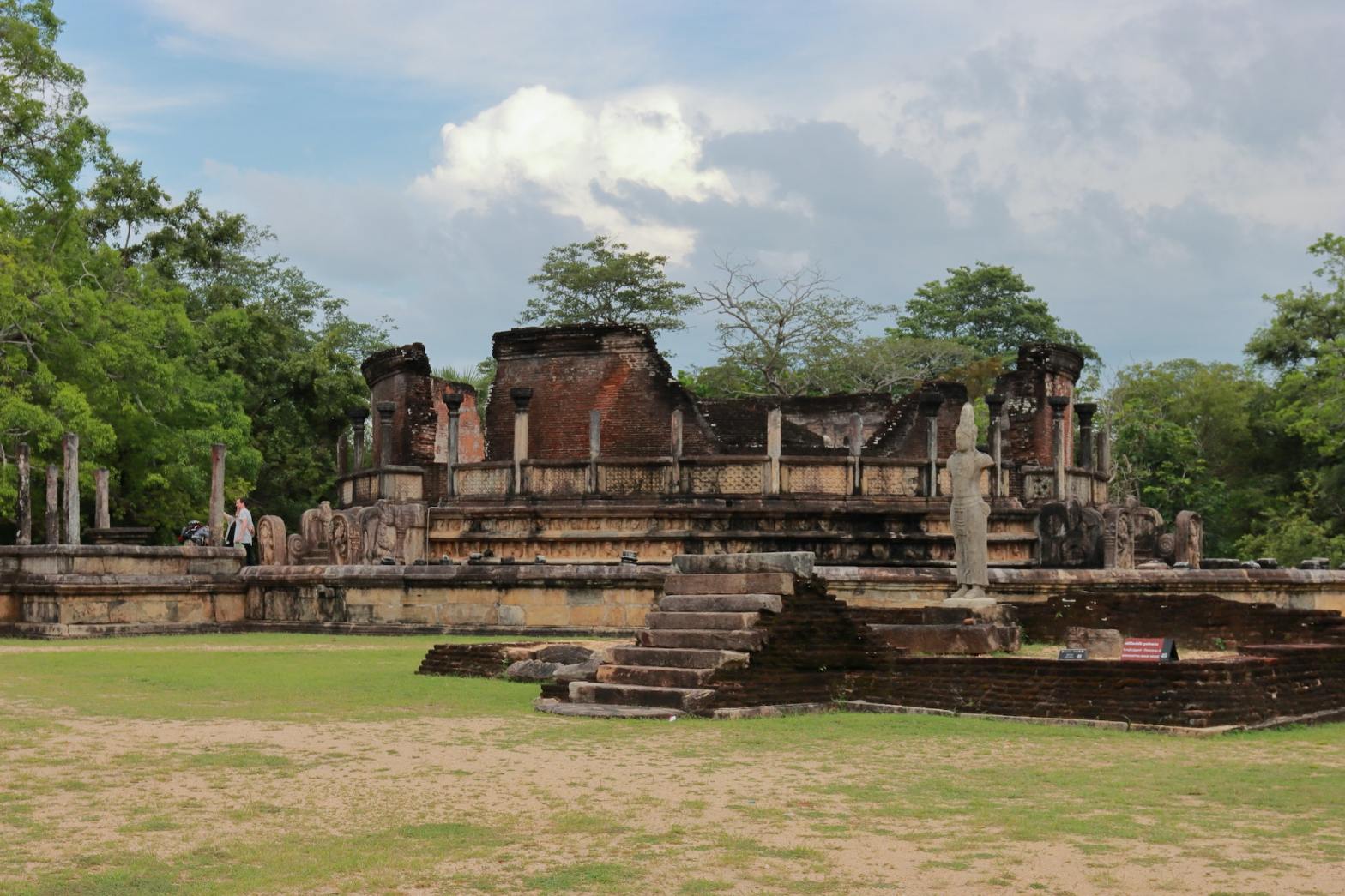
3. The Ancient City of Polonnaruwa 
 
Sri Lanka’s second oldest city, Polonnaruwa, was first declared as the nation’s capital city by King Vijayabahu after he defeated Chola invaders in 1070, reuniting the nation once more. 
 
During his reign, King Parakramabahu created a vast irrigation and reservoir system in Polonnaruwa that had the appearance of natural inland seas. As a result of this sophisticated infrastructure, Polonnaruwa’s rice cultivation systems earned Sri Lanka a global reputation as the Granary of the Orient. 
 
Polonnaruwa’s ruins date back to Parakramabahu’s reign from 1153 to 1186, with the richness and glamour of this ancient capital still evident to this day. 
 
4. Galle Fort and Old Town 
 
A visit to Galle Fort is a popular feature on many Sri Lankan itineraries, and with good reason. Perched on the southwest corner of this tear-shaped island, Galle Fort was originally built by the Portuguese in the 16th century and added to over the years, largely by the Dutch.  
 
Today, the port city provides a charming mix of old and new, retaining much of its historic charm in the form of cobblestone streets and beautifully preserved buildings. In addition, visitors to Galle can also enjoy the comfort of restored luxury villas, gourmet dining, and bijou boutiques, providing the best of both worlds.  
 
5. Sigiriya Lion Rock Fortress 
 
Rising majestically from Sri Lanka’s central plains, Sigiriya Lion Rock Fortress was built by King Kassapa, and is arguably the most dramatic sight in the entire country. With near vertical walls soaring 180 meters high, this abandoned palace has been described as the eighth wonder of the world. 
 
The summit of Sigiriya Fortress is reached via a grueling series of steep staircases, with visitors trudging around the great rock before finally emerging through the mouth of a huge lion. Along the way, visitors pass a series of ancient frescos that remain in impressive condition today. There is even a pair of colossal lion’s paws at the base of the rock. Those who make it to the top are rewarded with stunning 360-degree views of the dense jungle surroundings. 
 
Having been assigned World Heritage Site status in 1982, much still remains of this ancient capital, including irrigation technologies that confound modern engineers and rainwater reservoirs that remain functional to this day.

These 8 Golfers Won the Masters Tournament at Least 3 Times

One of golf’s four majors, the Masters Tournament is held annually at Augusta National Golf Club in Georgia. The world-class course, created by legendary amateur champion Bobby Jones and investment banker Clifford Roberts, is both challenging and beautifully designed; iconic segments include Amen Corner and Magnolia Lane. Horton Smith won the first-ever Masters Tournament, then known as the Augusta National Invitation Tournament, in 1934. In 1949, Sam Snead was the first champion to wear the now-iconic green jacket.  

Today, 17 golfers have won the Masters at least twice. The eight players below are all at least three-time Masters champions. 

1. Jack Nicklaus (6) 

A 73-time winner on the PGA Tour, Jack Nicklaus won his first of six Masters in 1963, two years after winning the US Amateur Championship for the second time. Nicklaus was just 23 years old when he won the 1963 Masters with a 2-under 286, beating second-place finisher Tony Lema by one stroke. He set the Masters scoring record (271) en route to a nine-stroke victory in 1965 and successfully defended his title the following year, becoming the first golfer to win the Masters in consecutive years. 

Nicklaus won again in 1972 and 1975 and won his sixth and final green jacket in 1986. He punctuated his landmark victory with a 65 in the final round and, at 46 years old, became the oldest champion in Masters history. Nicklaus last competed in the Masters in 2005. In addition to his six titles, he had 15 top-10 finishes. 

2. Tiger Woods (5) 

Tiger Woods, a five-time Masters champion, became the youngest winner in tournament history and the first champion of African or Asian descent in 1997. The 21-year-old golfer, who had competed in each of the last two Masters as an amateur, shot 18-under par, breaking Nicklaus’ low score record by one stroke. Woods won his second green jacket in 2001 and became the first-ever golfer to be the defending champion of all four major championships. 

Woods defended his Masters title in 2002 and won again in 2005. His most recent Masters win in 2019 was his first major title in 11 years. It marked an incredible comeback after dealing with an array of injuries and personal issues. 

3. Arnold Palmer (4) 

A four-time Masters champion, Arnold Palmer finished 10th in his debut at Augusta National in 1955 and won the event in 1958, 1960, 1962, and 1964. He was the first golfer to win the Masters four times and first to record 50 starts at Augusta National. In fact, Palmer participated in 50 consecutive tournaments from 1955 to 2004. He last made the cut in 1983.  

Palmer defeated runners-up Doug Ford and Fred Hawkins by one stroke to win his first major championship at the 1958 Masters. He became the second wire-to-wire winner in Masters history in 1960 and won in a three-way playoff with Dow Finsterwald and Gary Player in 1962. Palmer won by six strokes in 1964.  

4. Phil Mickelson (3) 

Phil Mickelson is one of only three left-handed golfers to win the Masters, with Bubba Watson winning in 2014 and 2012 and Mike Weir winning in 2003. Mickelson won the Masters for the first time in 2004 and won again in 2006 and 2010. Mickelson ended a 12-year major championship drought in 2004 when he drained an 18-foot putt for birdie on hole No. 18 to beat Ernie Els by one stroke with a 9-under par. 

5. Jimmy Demaret (3) 

Jimmy Demaret, a 31-time winner on the PGA Tour, won his first of three Masters in 1940 and won again in 1947 and 1950. Demaret was also the runner-up in the 1948 US Open and finished fifth in the 1962 Masters at 51 years old. 

6. Sam Snead (3) 

Snead, the first golfer to be awarded with the green jacket after winning the Masters in 1949, won again in 1952 and 1954. He won in 1954 with a final score of 1-over par, becoming the first player to win the tournament without breaking par. Jack Burke Jr. (1956) and Zach Johnson (2007) are the only other players to win the Masters without shooting par. 

7. Gary Player (3) 

Player became the first non-American to win the green jacket when he won the 1961 Masters. Traditionally, the champion gets to keep the jacket for one year before returning it to Augusta National. Player, however, forgot to bring the jacket back the following year and reportedly still has it in his home. Player won the Masters again in 1974 and 1978. 

8. Nick Faldo (3) 

One of only three players to win the Masters in back-to-back years, Nick Faldo won his first green jacket in 1989 and defended his title the following year. He won again in 1996. Interestingly, Faldo never finished in the top-10 in either of his 20 other starts at Augusta National and missed the cut six times.  

“That’s how Augusta was for me,” Faldo, now a commentator for Sky Sports, said before the 2023 Masters. “If I was doing the right things it was fine, but once the course gets to you it’s difficult to recover, even for the best players.”